
From New Line Cinema to Wealth Management to Waste Reduction: What My Friend Kim Lau Can Teach Us About Pivoting
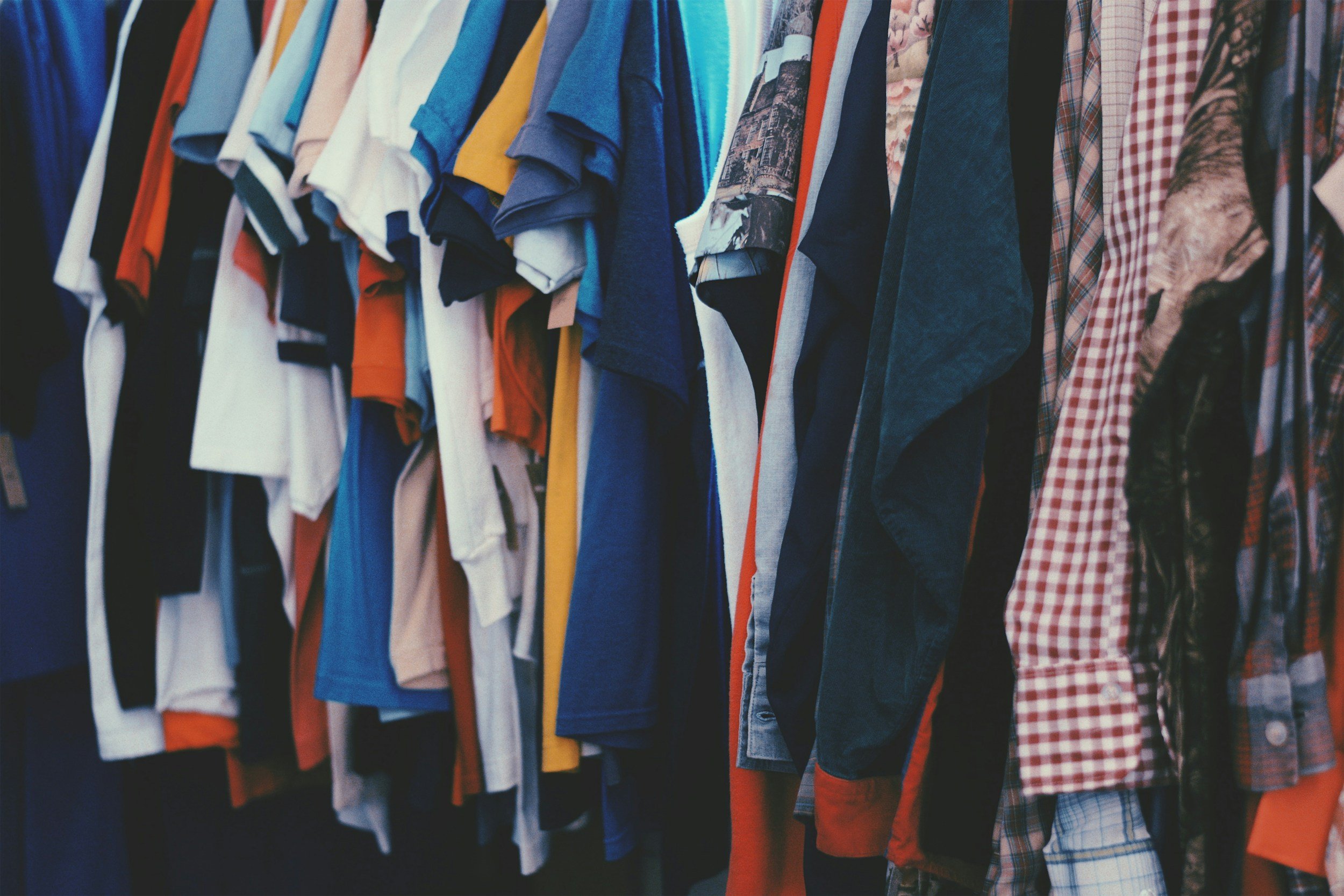
Clothing rack of shirts and blouses
In one of my recent Pivot Points, I talked about the importance of having a side hustle. Whether it's exploring a creative interest, starting a business, or finding a new way to pursue something you're passionate about, having something outside your primary career can open doors you never expected.
Sometimes those interests turn into something much bigger.
My former New Line Cinema colleague and longtime friend Kim Elmouchi Lau is a perfect example. After a career in entertainment and more than two decades in wealth management, Kim has found a new calling in sustainable fashion. Along with her business partner, Linda Young, she's working to tackle a problem most of us contribute to without giving it much thought: clothing waste.
I'm a big fan of what Kim is doing. In fact, I recently boxed up a donation of my own and shipped it from my new home in Minnesota to her team in California. It's been wonderful to watch someone I've known for years take her experience, follow a passion, and build something that is making a difference.
Her business, Project ReWear, is a great example of how a side hustle can evolve into a meaningful new chapter. And there are some valuable lessons in her story for anyone considering a pivot of their own.
A Career That Took a Few Turns
Kim and I worked together at New Line Cinema, where we spent our days in the fast paced world of the entertainment industry. It was an exciting time, and like many people early in their careers, we probably had no idea where our professional lives would eventually lead.
After leaving the film industry, Kim went on to spend 24 years in family wealth management. It was a very different world, but one that gave her a strong foundation in finance, business operations, and long term planning.
Then something closer to home caught her attention.
Kim and her cofounder, Linda Young, who comes from a retail background, were watching their teenage children cycle through fast fashion. Clothes were purchased, worn a handful of times, and discarded. Perfectly good clothing was ending up in landfills, and the sheer volume of waste was difficult to ignore.
Rather than simply shake their heads at the problem, they decided to do something about it.
Together, they launched Project ReWear, a business focused on keeping clothing in circulation longer and making secondhand fashion affordable and accessible.
What I find particularly interesting about Kim's story is that she didn't leave her previous experience behind. She found a way to put it to work in an entirely new industry.
Five Lessons From Kim's Journey
1. Pay Attention to What Bothers You
Sometimes the best business ideas begin with something that frustrates us.
For Kim and Linda, it was the enormous amount of clothing being wasted and how little most people understand about what happens to their clothes once they're donated or thrown away.
They saw a problem in their own households that reflected a much larger issue.
I think there's an important lesson here. When something consistently bothers you, pay attention. It might be an opportunity to make a difference, create something useful, or pursue an interest you hadn't previously considered.
You don't necessarily need to set out to start a business. Sometimes you just need to start asking questions.
2. Your Previous Experience Is Never Wasted
One of the biggest misconceptions about changing careers is that you have to start over.
Kim's experience tells a different story.
Her years in wealth management gave her financial and operational experience, while Linda brought an understanding of retail and consumer behavior. Together, they had the skills to approach their idea as a real business rather than simply a passion project.
That's something I often encourage people to remember when they're thinking about their next chapter.
The skills you've developed over the years are transferable, sometimes in ways you might not immediately recognize. Your next opportunity may look nothing like your previous career, but that doesn't mean the experience you've gained won't be valuable.
3. Think Beyond the Original Idea
Project ReWear isn't simply a secondhand clothing store. Kim and Linda have developed several ways to keep clothing in use and out of landfills.
Their Thousand Oaks storefront offers curated, affordable secondhand fashion. They also host quarterly WEARhouse sales in Newbury Park, where shoppers can purchase clothing for just $2 per pound.
Beyond retail, they've developed community partnerships with organizations such as Bundles of Kindness to help redistribute wearable clothing at no cost to people who need it. They're also exploring ways to repurpose items that can no longer be worn.
Each part of the business serves a purpose, and together they create a system that addresses clothing waste from several directions.
I love that Kim and Linda didn't stop at their first idea. They continued looking for ways to make it more useful, more accessible, and more impactful.
That's a good reminder that a side hustle doesn't have to remain what it was when you started. Some of the best opportunities emerge as you learn, adapt, and discover what else is possible.
4. Make It Easy for People to Participate
One of the things I appreciate most about Project ReWear is its emphasis on affordability.
Sustainable products often come with higher price tags, which can make environmentally conscious shopping feel out of reach for many families.
Kim and Linda have taken a different approach. They believe that making sustainable choices shouldn't depend on how much money someone has.
By keeping prices low and making secondhand shopping appealing, they're encouraging more people to participate. The more clothing that finds a new home, the less ends up in landfills.
It's a simple concept, but an important one.
Whether you're developing a product, launching a service, or starting a nonprofit, think about the people you're hoping to reach. Making it easier for them to get involved can be just as important as the idea itself.
5. Know Whether You're Making a Difference
Kim and Linda don't just talk about reducing waste. They track the pounds of clothing purchased, exchanged, and donated through Project ReWear.
That allows them to see the results of their work and share those results with the people supporting their mission.
I think this is particularly important for anyone building a business around a cause they care about.
It's easy to get caught up in the excitement of a new idea. But understanding what's working, what isn't, and whether you're accomplishing what you set out to do is what helps an idea grow into something sustainable.
And when people can see the difference their participation makes, they have another reason to stay involved.
It's Never Too Late for a New Chapter
What I appreciate most about Kim's story is that she didn't follow a predetermined path.
She worked in entertainment, built a successful career in wealth management, raised a family, and eventually found herself pursuing something entirely different.
And she brought all of those experiences with her.
I think we sometimes put too much pressure on ourselves to figure out what we want to do with the rest of our lives, as though there should be one answer.
But careers change. Interests evolve. Our priorities shift. And sometimes an idea that starts small becomes the thing we're most excited about.
Kim and Linda describe the beginning of their business as two moms, too much waste, and one big idea.
I love that. It's a reminder that you don't need to have everything figured out before you begin.
You just need to care enough about something to take the first step.
And who knows where that step might lead?
To learn more about Project ReWear and support what Kim and Linda are building, follow them on Instagram at @projectrewearkids and @kimberlyallisonlau.